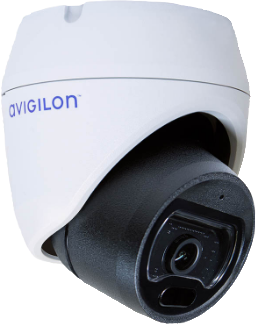
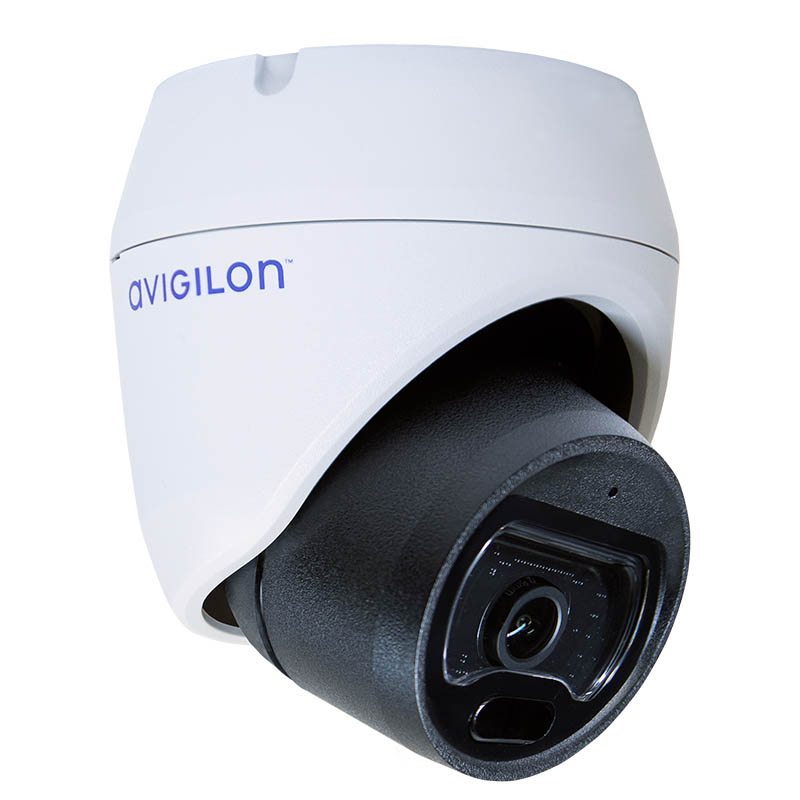
When you’re protecting your residence or business, you want the best in video surveillance services out there. Technology is ever changing and if you’re still on the older analog camera and DVR recording system, you may want to consider updating. The newer IP cameras and NVR recording is up and coming and provides a safer, more secure recording process for your peace of mind.
While the upfront costs can seem intimidating, there are several reasons why you should consider this update to your office or residence. Check out these ten reasons why you should update your system for better protection.
Fading Technology – Most of the analog cameras are low-definition and they, combined with DVR recording, are dying out. This is mainly because the high definition IP cameras are more competitvely priced and they are combined with NVR technology to give you a better peace of mind. These servers use RAID technology to record all the video in your location. These hard drives use RAID to record on multiple drives so that if one fails, you still have a backup recording of what is going on.
Wise Investment – While the upfront cost of the NVR is more expensive than a DVR system, you’ll be happy to know that this system can do much more than just record your surroundings. This system can provide overall storage capabilities for the company and manage your data for a remote location, group of employees, or the business itself. The camera prices are also continuing to fall and the HD cameras provide a much better picture and quality.
Easy Installation Process – While they once were deemed more complicated to install, the producers of the product have taken steps to make it even more simple to add these to your current location. With the introduction of plug-and-play options, they are now even easier to add to your current security system.
Add Over Time – If you currently have the traditional DVR system, you can add in the NVR cameras over time and tie it in to your system already in place. This allows you to transition over on your time frame and reduce some of your upfront out of pocket cost.
Use Your Current Infrastructure – As mentioned above, you can use the current infrastructure you already have and transition over time. When you need to replace a component of your system, you can do so with the newer model technology and start the transition process. The two systems can work together until you’re changed over completely.
Better Picture Quality – You’ve seen some of the pictures and video that come from the older analog systems. They are not always the best quality and if you need the photo/shot for a case, you want it the best it can be. That’s where the HD cameras and NVR comes in. These provide a much better quality of video for you to use should you need to review it.
Reliable Technology – When it comes to your security system, you want to know that you can count on the system to protect you. The NVR and IP camera based systems do just that. They are proving to be even faster and more reliable than your current DVR based systems are. They are durable as well and hold up just like your current systems do.
Compliance With Regulations – Depending on your particular industry, you may have noticed that regulations are becoming tighter and you’re having to be monitored closer than before. With that in mind, these newer systems do just that. You may need to keep a longer video surveillance log than before and these systems will help you maintain it without any problems.
Easy Access – One major benefit to this system is you can access the data from anywhere you are. You can even view the files and information on your phone via a mobile app that can be installed. You can utilize the remote cloud as well to view your data from anywhere in the world. All that is required is that you have an Internet connection.
Always Expanding – With the newer technology and changes always happening, these systems are adding new features everyday. You can utilize a private cloud system or apps on your phone and tablet. There are a variety of low cost storage solutions out there as well to help you keep the data as long as you need it.
Technology is always advancing and this is the next step in security surveillance (for West Hartford CT and all across Connecticut, consult Mammoth Security). Relax with the peace of mind that your industry, home, or office location are protected with the best there is. It doesn’t have to happen all at once as your current system can be integrated with the newer technology. Not only will this give you a better peace of mind, you can reduce your business costs.
NOT COMPLETELY SURE?
860-748-4292
HI! MY NAME IS
Matt
I’m not just another sales guy. I’m a security expert ready to discuss your security strategy one-on-one.
Let’s discuss your security strategy and get you a tailored solution that will perfectly fit your security expectations.
Get your FREE copy of ‘Top 10 Questions to Ask Before Purchasing A Camera System’