As with most technology these days, widespread use of CCTV systems has lead to the hacking and vandalism of whole surveillance systems and their parts. Moreover, some clever individuals have found ways to “beat the system,” developing technologies that reflect infrared lights used by cameras to make facial recognition impossible. Some common problems faced by the CCTV industry include but aren’t limited to:
Fortunately, the CCTV installers have responded, and has come up with several ways that system owners can protect their investment and ensure ongoing protection.
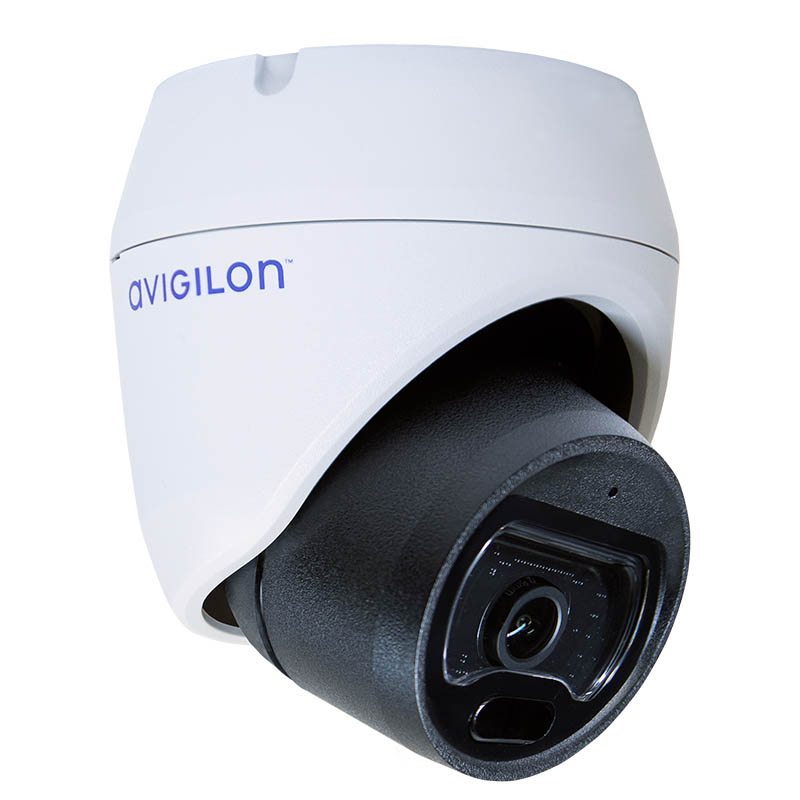
One of the best ways to preserve the integrity of your security system is to invest in vandal proof cameras or equipment housings. Such technology is available in the form of explosion proof domes, vandal proof domes, dust proof or dust-tight housing, bullet proof housing or pressurized housing. Vandal proof domes are usually designed to resist basic vandal tactics, while bullet proof housing and explosion proof domes are strong enough to withstand a gun shot or even being run over by a car. However, explosion proof domes, despite their name, are not made to withstand an explosion; rather, they were designed to avoid creating an explosion in places where there are gasses and other explosive elements around.
Unfortunately, security cameras are pretty sensitive to lasers. Laser pointers and laser pens have the ability to damage equipment lenses, rendering them useless. To reduce the risk of this happening to your equipment, you may opt to implement color filters, which can reduce the effects of a vandal trying to ruin your lenses. However, many filters reduce the quality of an image and make it difficult for lenses to filter light, so keep this in mind when implementing them.
Another, less expensive way to prevent your security system from being vandalized is to keep equipment hidden. A criminal cannot vandalize your cameras if they don’t know that they’re there. While a huge reason for having a security system is to deter crime, the cameras won’t do you any good if the criminal who sees them is more apt to knock them out than to take them seriously.
Hidden security cameras come in many shapes, sizes and styles, and can be small enough that people will miss them, or can be disguised as another inanimate object. Some security cameras are designed to look like mirrors, motions detectors, smoke detectors or even clocks. However, while these hidden security cameras are great for preventing damage or vandalism, they do come with their drawbacks, including limited storage space and small battery life. Generally, these types of equipment are best for when you know something is about to occur and you want to “stake out” an area, or for when you only need to monitor an event for a short period of time. Additionally, hidden equipment doesn’t offer the best resolution, so if you’re looking for quality images or footage of objects from afar, a hidden camera may not be the best equipment to use.
Fake cameras act as great deterrents for vandals—maybe not in the sense that they’ll deter vandals from your property, but in the sense that they’ll deter them from destroying your real equipment. While placing fake cameras around your property might seem like an expensive chore, it can actually be relatively cheap, and even save you in the long run when your real cameras stay intact. Go to any resale store for old and used security equipment, or look for broken accessories online, at thrift stores or even at the local dump. Put them in plain view, and even place some in “hidden-but-obvious” spots. If someone comes to your property with the intention of destroying your system and harming your property, you can protect your real equipment and your property all at once.
When choosing fake security cameras, there are a couple of things you need to keep in mind. For one, many experienced criminals know a legitimate security system from a fake one and will be able to spot a dummy camera with a single glance. For this reason, it is best to purchase a real camera that was once used as a part of a CCTV surveillance system. To find security equipment that is broken but that still looks functional, check out CCTV auction websites. Also, steer clear of dummy cameras that have a red LED that indicates that the system is “on,” as real CCTV systems do not have this light; only at night will an IR LED come on with a real camera.
At Mammoth Security (installing CCTV in Enfield, CT), our goal is to protect your property with high quality equipment and systems. However, even we understand that some surveillance systems are no match for experienced criminals who know how to take out even the best security equipment. To prevent vandals from attacking your expensive equipment, we offer vandal proof cameras and equipment, as well as advice on where to install your accessories for the least amount of risk. If you’re interested in installing hidden cameras or fakes, we can guide you toward the products that will best serve your needs. For help protecting your business, your home and your equipment, reach out to the experienced team at Mammoth Security today.
NOT COMPLETELY SURE?
860-748-4292
HI! MY NAME IS
Matt
I’m not just another sales guy. I’m a security expert ready to discuss your security strategy one-on-one.
Let’s discuss your security strategy and get you a tailored solution that will perfectly fit your security expectations.

Get your FREE copy of ‘Top 10 Questions to Ask Before Purchasing A Camera System’