Our team at Mammoth Security is expertly qualified to install and test commercial fire alarm systems. We know the ins and outs of the top fire alarm brands, and we recommend Honeywell and DMP alarms for their reliability and effectiveness.
A commercial fire alarm system is a network of devices that detects fire and alerts building occupants and emergency responders to the presence of fires and other life-safety threats, like gas leaks.
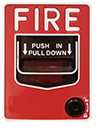
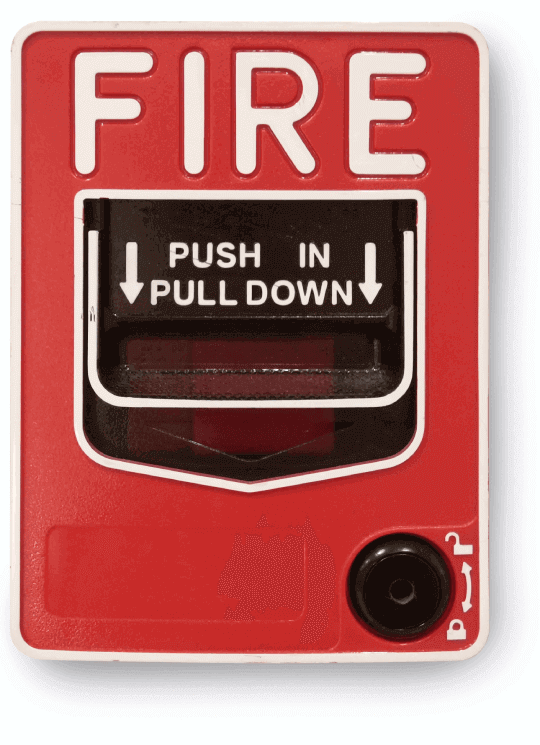
Fire alarm systems usually include smoke detectors, heat detectors, manual pull stations, alarm panels, and visual signage. They may also feature speakers, strobe lights, emergency lighting devices, and integrations with building automation, video surveillance, access control, and fire suppression systems.
When a fire alarm is activated, it sends a signal to its control panel, which in turn sounds the building's fire alarms, notifies emergency response teams, and activates devices like strobe lights and speakers to alert people and help them to evacuate.
Honeywell is famous for their burglar alarms, but they're also one of the best fire alarm manufacturers in the industry. Plus, they're headquartered right here in Connecticut!
Honeywell fire alarms come in unique models to meet the specialized needs of every industry sector. For example, small buildings often install Honeywell Fire-Lite devices for fire security and CO detection; the Honeywell HS-81 alarm system is tailor-made for large-scale industrial settings; and the Honeywell Predictive Fire Monitoring System is tailor-made for settings at risk of electrical fires.
The overall best fire alarm system for most settings is the Honeywell Notifier. It can be customized for different room sizes and multiple buildings.
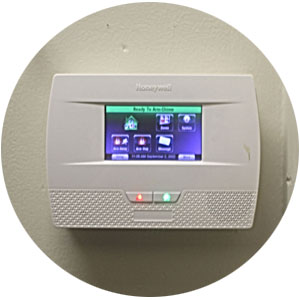
Digital Monitoring Products (DMP) has a well-deserved reputation for manufacturing reliable and effective alarms for burglary and fire. Their XR550FC fire alarm control panel is an addressable system that meets almost 90% of all fire alarm system needs across all industries. They produce specialized alarms and alarm panel models to meet the unique safety needs of every industry.

Commercial fire alarm systems are legally required in most buildings.
Fire alarm systems detect smoke and heat to provide early warnings of fire danger and to help building occupants evacuate quickly and safely.
Fire alarm systems automatically notify emergency responders of potential fires so that they can take action right away.
The commercial fire alarm brands installed by Mammoth Security can be remotely monitored. No matter your location, you can check your system's status and receive alerts for fire incidents and other problems, like gas leaks.
The top fire alarm system brands can be integrated with other building systems, such as HVAC, lighting, and security systems. Integrations allow for efficient building management and automated safety protocols in response to fire.
Having a fire alarm system installed and maintained can help you save on insurance premiums and reduce damages and business interruptions in the event of a fire.
DMP and Honeywell fire alarm systems use remote reporting technology to connect with alarm monitoring centers. With the aid of alert security professionals, you'll receive live support in the event of a real emergency.
Fire alarm systems by Honeywell and DMP can be integrated with building automation, security, and fire suppression systems. Combining these fire alarm panel brands with access control and video surveillance systems can save lives during real emergencies by ensuring a system-wide response with coordinated fire safety protocols.
Fire alarm systems can be categorized as either conventional or addressable.
Conventional or traditional fire alarm systems connect devices like smoke detectors to a central control panel. When a conventional alarm initiates, the panel shares zone information for the initiated alarm but doesn't pinpoint the location of the specific alarm that detected the fire.
Addressable, or intelligent, fire alarm systems are a more recent development. They pinpoint the specific ID and location of a triggered alarm rather than just the alarm's zone. Addressable fire alarm systems also use new technologies to reduce false alarms and grant users greater system control.

Fire alarm systems should include both manual sensors, like pull-stations, and automatic sensors, which detect symptoms of fire and gas leaks. Different automatic fire alarm sensor types should be selected for their effectiveness and reliability in the particular environments where they're installed.
The five main types of automatic sensors used in alarm systems are photoelectric smoke detectors, ionization smoke detectors, heat detectors, carbon monoxide detectors, and multi-sensor detectors (which combine two or more sensor types in one alarm).
Ionization smoke detectors create an ionized electrical current in a chamber that triggers an alarm when the current is disrupted by smoke. They are the most sensitive and fastest type of sensor, but they result in more false alarms, especially if installed in kitchens.
Photoelectric detectors are less sensitive and respond more slowly than ionization detectors, but they are less prone to false alarms from cooking steam and smoke. Photoelectric detectors work by shining a light source into a sensor chamber and measuring the light reflected back. When smoke enters the chamber, the light is scattered, and the alarm initiates.
Fixed-temperature heat detectors are triggered when the temperature in a monitored area reaches pre-set programmable thresholds or when the rate of temperature increase exceeds a preset threshold.
Carbon monoxide detection sensors are often included with fire alarms. These sensors provide early warnings in the event of a carbon monoxide leak and work in conjunction with fire alarm systems to assist in prompt evacuations.
A commercial fire alarm system is an investment in the safety and well-being of people and property, and it makes sense to invest in one when safety is a priority, and your building is at risk of fire. It also makes sense to invest in one to meet local and national fire-safety standards.
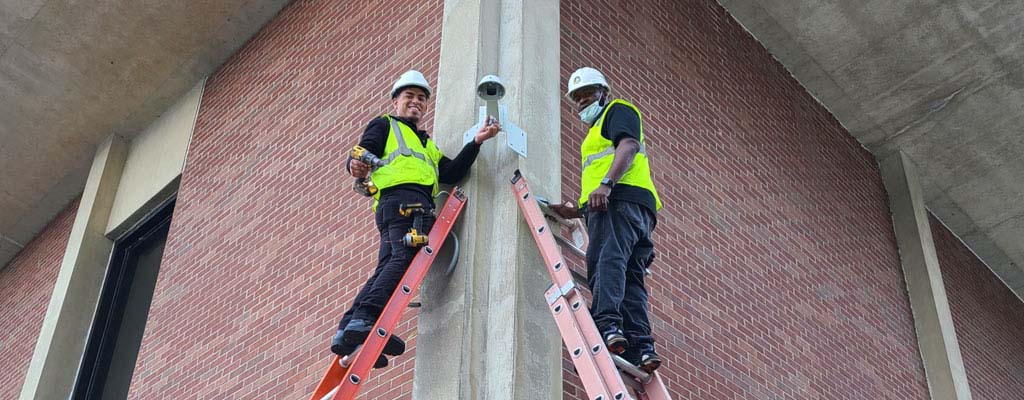
You can trust our team at Mammoth Security to develop and install the right security and life-safety solutions to protect your commercial property. From fire alarms and access control to cameras and cabling, we take pride in what we do, and we’d love to share our expertise and workmanship with you.
If you're ready for the next step toward securing your property, fill out the simple form below to set up a free, zero-obligation site consultation. You’ll meet a friendly member of our team as we survey your property, discuss your security concerns, spot points where your security can be improved, and begin to develop a security system that’s expertly tailored to your site’s unique layout and needs.

Wireless
IP Cameras
Wireless cameras are not reliable enough for commercial use yet. Instead, we use purpose-built antennae to connect hardwired cameras on light poles and buildings.

Phone App
For Camera Systems
Watch live or previously recorded footage on any mobile device. Save it to your phone and e-mail it just like any other video or image.

Increased Resolution
Of 4096×2160
4k or 8MP cameras represent the best value at the moment. Depending on your situation, a 30+ megapixel camera can be installed allowing you to read a seat number from the opposite end of a football field.

Employ The Same Technology As These Companies: