Too busy to read? Here's a short summary:
When it comes to managing an apartment complex, the safety of your tenants is a top priority. With more than five million property crimes and nearly one million violent crimes reported to the FBI in 2022, you're not just looking after buildings; you're ensuring the well-being of your community.
That's where having the best security cameras comes into play.
In this article, we'll walk you through the key features to look for in security cameras for apartment properties. We want to help you make informed decisions about the right cameras to monitor and protect your property and tenants.
So, without further ado, let's dive in.
Before diving into the specifics, let's get a handle on what makes a security camera ideal for an apartment building.
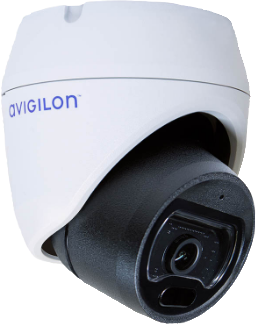
First things first, you need cameras that offer crystal-clear images. High-resolution, high-quality digital IP cameras are a must. They provide detailed footage to identify individuals and activities.
Look for cameras with at least 1080p resolution image quality. But beware: higher resolutions mean more storage space will be required.
In today's world, access to remotely monitor your property is a no-brainer.
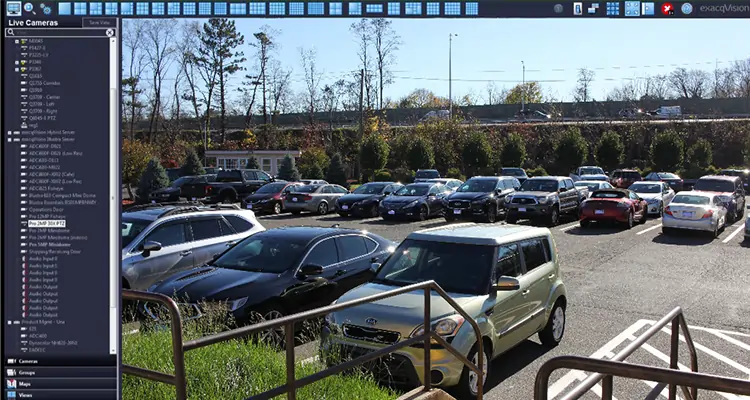
Select IP (Internet protocol) cameras for remote access through a web interface or mobile device. IP cameras let you check in on your property whether you're in the office or on a beach halfway around the world.
Hardwired apartment security camera systems provide several significant benefits over wireless security cameras, especially in apartments.
Hardwired cameras connect directly to your building's power supply, which means they're constantly powered. This eliminates the risk of batteries dying at crucial moments.
With hardwiring, data is transmitted through cables (like Ethernet cables) directly to your recording or monitoring equipment. This setup is superior to that of wireless connections, which are subject to interference, signal drops, or bandwidth issues.
Hardwired connections can transmit and receive more data at higher speeds than typical wireless setups. This supercharged data transmission is crucial for high-resolution cameras that generate large amounts of data.
A hardwired security camera system typically has lower latency compared to wireless systems. This means there's less delay between the camera capturing an event and the display or recording of that event, which is important for real-time monitoring and timely security responses.
Now that we've covered the basics let's talk about some other smart devices and camera features that can take your security setup from good to great.
Motion detection technology is like having a vigilant guard on duty 24/7. These cameras detect movement and send you alerts, so you're always in the know.
Motion detection technology can also save storage space by only recording when sensors detect action.
Let's face it: not all shady activities in and around apartment buildings happen in broad daylight.
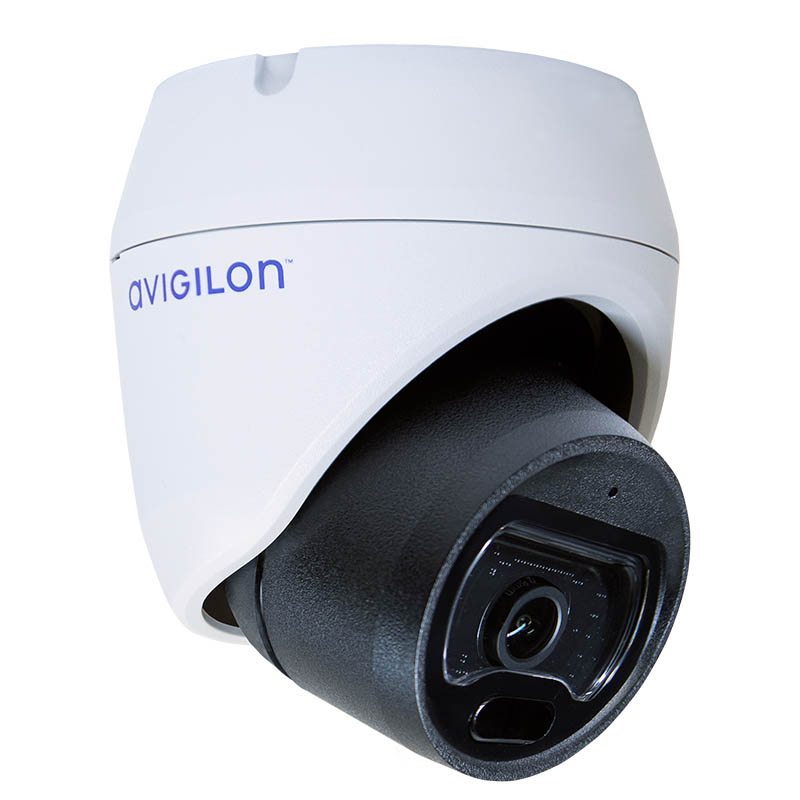
Cameras equipped with infrared (IR) night vision can capture clear footage even in low-light conditions. On the other hand, color night vision cameras use ambient light sources to produce full-color images during low-light conditions.
These features have proven a game-changer for keeping an eye on things when the sun goes down.
Outdoor cameras need to withstand the elements. Look for weather-resistant models that can brave the rain, wind, snow, hail, and sweltering heat.
If your property is in or close to Connecticut, be sure your outdoor security cameras have an Ingress Protection (IP) rating of IP67 or higher.
Investing in the right security equipment and cameras for your apartment complex isn't just about preventing incidents. It's also about peace of mind for you and your tenants. By choosing cameras with the right features and capabilities, you're taking a proactive step in building a safe and secure community.
Your tenants will thank you!
At Mammoth Security, we understand the ins and outs of security systems like nobody else. Whether it's top-notch cameras, access control systems, alarms, or telecom cabling, we've got the expertise and workmanship to meet your needs.
We don't just sell systems; we tailor them to fit unique situations.
And guess what? We're offering free site surveys and security assessments to businesses that reach out to us. That's right, a no-cost, no-obligation chance to meet with a Mammoth Security expert about protecting your apartment complex.
What's the next step? Reach out by clicking to contact us and filling out the form!
NOT COMPLETELY SURE?
860-748-4292The best security camera for night vision typically features IR (infrared) lights for night vision or Color Night Vision. Infrared night vision cameras use IR LEDs to illuminate the area in front of the camera, allowing it to capture clear, black-and-white images in total darkness. Color night vision captures images in color in low-light conditions.
The key difference between outdoor and indoor cameras for apartments lies in their design and functionality. Indoor cameras, or indoor security cameras, are typically smaller and more discreet, designed for installing security cameras within apartment units or common areas. They focus on capturing clear images and often have features like two-way audio. Outdoor cameras are built to withstand harsh weather conditions and are ideal for apartment surveillance cameras placed around the perimeter of the building or complex.
Apartment managers should strategically position security cameras for apartment buildings to control access points, monitor common areas, and cover other vulnerable spots, including entrances and exits, parking garages, hallways, and recreational areas. Positioning cameras at these points aids in monitoring and helps in collecting valuable evidence in case of incidents. The goal is to create a comprehensive surveillance system that deters potential security breaches while ensuring the safety of residents.
Depending on wireless connectivity for security footage transmission can be problematic for apartment security because wireless cameras, while flexible in placement, can suffer from signal interference and bandwidth limitations. These problems are often more pronounced in dense apartments and can result in significant surveillance gaps.
Surveillance systems for apartment managers, particularly apartment building security systems, provide valuable evidence in the event of incidents and also deter criminals. Most apartment complex security cameras are designed to continuously record video feeds, ensuring that all activities within the apartment buildings are monitored.
Hardwired apartment security cameras are preferred for apartment surveillance due to their reliable power supply, stable data transmission, higher data bandwidth, enhanced security against hacking, and lower latency periods for real-time monitoring.
Security cameras for apartments should have at least 1080p resolution. High-resolution cameras provide detailed footage, making it easier to identify individuals and activities, which is essential for the safety and security of apartment complexes.
Motion detection in apartment security cameras offers the benefit of alerting security staff to movement in areas that should be locked and empty. Additionally, cameras with sensors for motion detection can save storage space by recording only when action is detected.
Remote access improves the functionality of apartment security cameras by empowering building managers to monitor their property from anywhere and at any time, whether they're in the office or far away.
Hardwiring affects the performance of an apartment building security system and cameras by providing a stable and reliable power supply and data transmission. This ensures continuous operation and high-quality footage.
Professional monitoring in apartment security systems is important as it provides continuous surveillance and immediate responses to security incidents. This ensures the safety and security of the apartment complex, offering peace of mind to both apartment property managers and residents.

HI! MY NAME IS
Matt
I’m not just another sales guy. I’m a security expert ready to discuss your security strategy one-on-one.
Let’s discuss your security strategy and get you a tailored solution that will perfectly fit your security expectations.

Get your FREE copy of ‘Top 10 Questions to Ask Before Purchasing A Camera System’